
Check fraud may sound like an old problem, but it’s still one of the fastest-growing types of financial fraud, and it can affect anyone. While many payments now happen online, millions of people still use paper checks to pay rent, send gifts, make business payments, or cover bills. Any time money is moving, fraudsters are paying attention.
Check fraud has changed over the years. It is no longer about stolen checks or forged signatures. Today, criminals use a mix of theft, scams, and technology to steal money and personal banking information. Understanding what check fraud is and why it’s on the rise can help you protect your money and avoid becoming a victim.
What Is Check Fraud?
Check fraud happens when someone illegally uses a check to steal money or gain access to personal and financial information. That can mean stealing a check from the mail, creating a fake check, changing the details on a real check, or using scams to convince someone to deposit a fraudulent check.
Checks include sensitive information. In the wrong hands, that information can be used for more than just one transaction. Because checks can take time to process, fraud may not be discovered right away.
Why Is Check Fraud On the Rise?
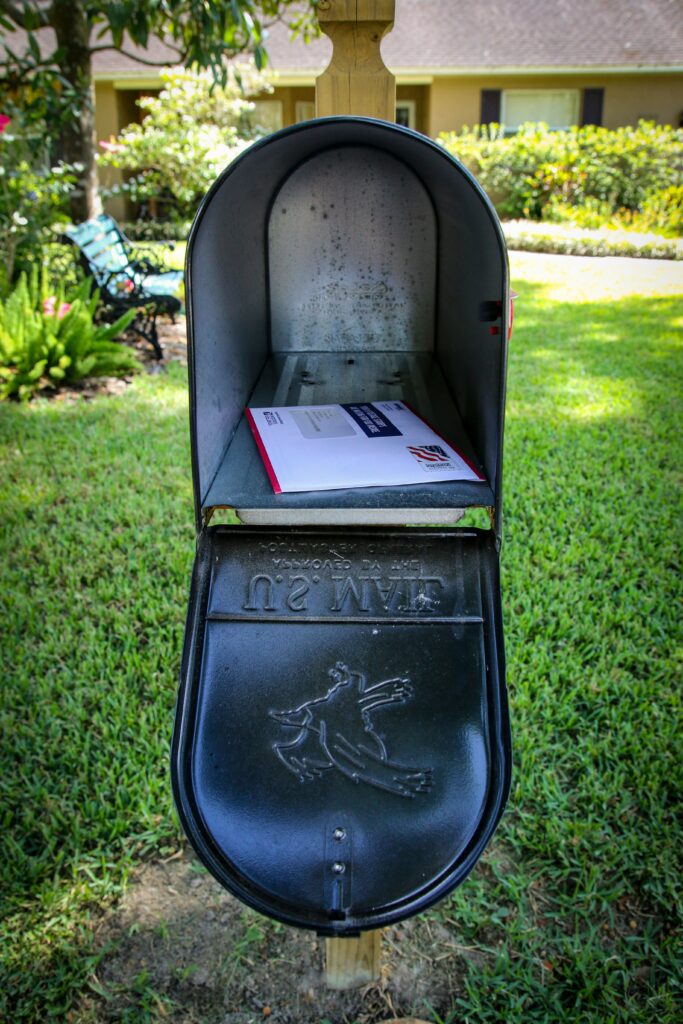
One of the biggest reasons check fraud continues to rise is mail theft. Criminals often target residential mailboxes, apartment mailrooms, and public mail collection boxes looking for outgoing payments like rent checks, utility bills, or gifts. Once a check is stolen, it can be altered, copied, or used to access personal banking information – turning one stolen envelope into a much larger financial problem.
Checks Contain Valuable Information
Checks contain a significant amount of personal and financial information in one place. A single check often includes your name, address, financial institution, account number, and routing number. Scammers can use that information to steal from your account, create counterfeit checks, or commit other types of financial fraud. That makes checks especially valuable to criminals looking for easy access to sensitive information.
Scams are Evolving
Check fraud is no longer limited to physical theft. Scammers now use fake job offers, prize notifications, and online marketplace scams to send fake checks and pressure victims into sending money back. These scams often create urgency and can look convincing.
Fraud Spreads Faster Online
Social media, online job boards, and digital marketplaces make it easier for scammers to reach more people, especially younger adults. A fake opportunity can spread quickly and look legitimate.
Who Is Most At Risk?
Anyone who writes or receives checks can be at risk, but some groups may face greater exposure.
Renters and Households Paying Bills by Check – Rent payments and mailed bills often involve large amounts of money and predictable timing, making them attractive targets.
Small Business Owners – Businesses may issue multiple checks each month for payroll, vendors, or operations. More transactions can mean more opportunities for fraud.
Older Adults and Seniors – Many older adults still rely on checks for bills, gifts, or charitable giving. They may also be more likely to use the mail regularly, increasing exposure to mail theft.
Families Managing Shared Accounts – When multiple people use the same account, unusual activity can be easier to miss if no one is reviewing statements regularly.
Younger Adults and First-Time Workers – Younger generations may not write many checks, but they are often targeted through fake job scams, prize scams, and online marketplace scams
Many of these scams also involve electronic checks, where a scammer sends a fake check digitally or instructs the victim to deposit or transfer funds electronically before the check fully clears. A scammer may “hire” someone, send a check for supplies or equipment, and ask them to send money back. Later, the check bounces, and the victim is responsible for the lost money.
What’s the Impact?
Check fraud can create more than just financial loss – it can disrupt your life. Victims may face:
- Unauthorized withdrawals
- Delayed bill payments
- Missed rent or utility payments
- Overdraft fees
- Account freezes
- Stress and time spent resolving fraud
For some households, even a temporary loss of funds can create serious challenges. And in fake check scams, victims may lose money they willingly sent, without realizing the original check was fake.
That’s why awareness matters. The more you understand about how check fraud works, the better prepared you are to recognize suspicious situations and protect yourself.
Simple Steps to Protect Yourself
You don’t need to stop using checks altogether, but it helps to use them carefully. Start with these simple habits.
- Mail checks from secure locations, like inside the post office.
- Avoid leaving outgoing mail in your mailbox overnight.
- Review your bank account regularly.
- Set up transaction alerts through your financial institution.
- Be cautious of checks connected to job offers, prizes, or urgent requests.
- Contact your financial institution quickly if something feels wrong.
While check fraud is becoming increasingly sophisticated, taking proactive steps, like monitoring your transactions and leveraging modern banking tools, can keep your account safe from scammers. At Wheatland, we make your account security our top priority. That’s why we offer a Secure Checking account option with identity theft monitoring and resolution services. Want to learn more?
Source: America Saves
Recent Blog Posts